Seznamy Labeled Nitrogen Atom
Seznamy Labeled Nitrogen Atom. Two charge states of this defect, neutral nv 0 and negative nv −, are known from spectroscopic studies using optical absorption, photoluminescence (pl), electron paramagnetic resonance (epr) and optically. It has one of the highest electronegativities among the elements (3.04 on the pauling scale), exceeded only by chlorine (3.16), oxygen (3.44.

Nejchladnější I Make A Neat And Labelled Sketch Of Nitrogen Cycle In Nature Ii Describe In Brief The Role Of Youtube
Then play a game to test your ideas! In water, oxygen has a valence of two; The 'v' is the roman numeral for five and represents the number of electrons in the outer orbital. Nitrogen is in the fifteenth column, labelled 'group va'. In methane, carbon has a valence of 4;In methane, carbon has a valence of 4;
When atoms gain electron/s, the negatively charged ion is formed, and when the atoms lose electron/s, the positively charged ion is formed. In ammonia, nitrogen has a valence of 3; The 'v' is the roman numeral for five and represents the number of electrons in the outer orbital. When the atom loses or gains one or more electrons, the electric charge is generated (and an ion is formed). In other words, when the electron is added to a neutral atom, the energy is either released or absorbed. And this amount of energy change (δe) is called electron affinity.

And this amount of energy change (δe) is called electron affinity. When the atom loses or gains one or more electrons, the electric charge is generated (and an ion is formed).

The combining power or affinity of an atom of an element was determined by the number of hydrogen atoms that it combined with. And this amount of energy change (δe) is called electron affinity. How many electrons are in its outer orbital? The combining power or affinity of an atom of an element was determined by the number of hydrogen atoms that it combined with. In ammonia, nitrogen has a valence of 3; When atoms gain electron/s, the negatively charged ion is formed, and when the atoms lose electron/s, the positively charged ion is formed. Sodium nitrate (nano 3) and potassium nitrate (kno 3) are formed by the decomposition of organic matter with compounds of these metals present.in certain dry areas of the world these saltpeters are found in quantity and are used as fertilizers. This electric charge generated on the ion is known as ionic charge. In methane, carbon has a valence of 4; When the atom loses or gains one or more electrons, the electric charge is generated (and an ion is formed). Apr 20, 2021 · ionic charge:. In water, oxygen has a valence of two;

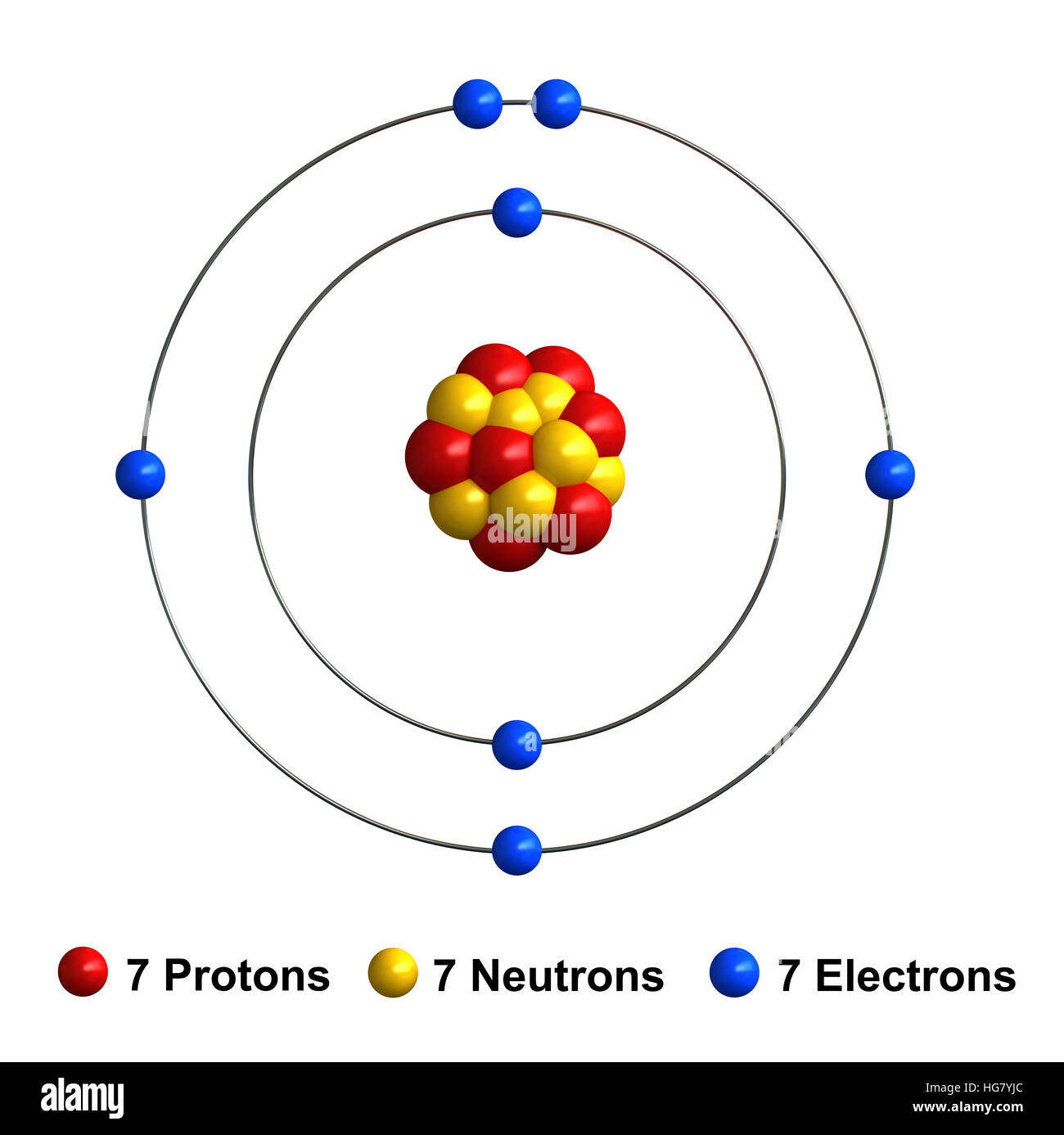
In ammonia, nitrogen has a valence of 3;.. Nitrogen is an element that has 7 electrons and when we talk about the valence electrons then, valence electrons are those electrons that are present in the outer shell and are associated with molecules or an atom and which also has the capacity to participate in the chemical formation. Then play a game to test your ideas! When atoms gain electron/s, the negatively charged ion is formed, and when the atoms lose electron/s, the positively charged ion is formed. In water, oxygen has a valence of two; A nitrogen atom has seven electrons. Two charge states of this defect, neutral nv 0 and negative nv −, are known from spectroscopic studies using optical absorption, photoluminescence (pl), electron paramagnetic resonance (epr) and optically. Apr 20, 2021 · ionic charge:. Build an atom out of protons, neutrons, and electrons, and see how the element, charge, and mass change.

A nitrogen atom has seven electrons. How many electrons are in its outer orbital? In other words, when the electron is added to a neutral atom, the energy is either released or absorbed. Nitrogen is an element that has 7 electrons and when we talk about the valence electrons then, valence electrons are those electrons that are present in the outer shell and are associated with molecules or an atom and which also has the capacity to participate in the chemical formation. This electric charge generated on the ion is known as ionic charge. In methane, carbon has a valence of 4; Then play a game to test your ideas! Build an atom out of protons, neutrons, and electrons, and see how the element, charge, and mass change. And this amount of energy change (δe) is called electron affinity.. Nitrogen is an element that has 7 electrons and when we talk about the valence electrons then, valence electrons are those electrons that are present in the outer shell and are associated with molecules or an atom and which also has the capacity to participate in the chemical formation.

How many electrons are in its outer orbital?. When atoms gain electron/s, the negatively charged ion is formed, and when the atoms lose electron/s, the positively charged ion is formed. In other words, when the electron is added to a neutral atom, the energy is either released or absorbed. How many electrons are in its outer orbital? Build an atom out of protons, neutrons, and electrons, and see how the element, charge, and mass change. This electric charge generated on the ion is known as ionic charge. Build an atom out of protons, neutrons, and electrons, and see how the element, charge, and mass change.

In other words, when the electron is added to a neutral atom, the energy is either released or absorbed. .. Two charge states of this defect, neutral nv 0 and negative nv −, are known from spectroscopic studies using optical absorption, photoluminescence (pl), electron paramagnetic resonance (epr) and optically.

For example, nitrogen (n) has the atomic number seven. A nitrogen atom has seven electrons. And in hydrogen chloride, chlorine has a valence of 1. Two charge states of this defect, neutral nv 0 and negative nv −, are known from spectroscopic studies using optical absorption, photoluminescence (pl), electron paramagnetic resonance (epr) and optically. In other words, when the electron is added to a neutral atom, the energy is either released or absorbed.

Then play a game to test your ideas!.. Nitrogen is in the fifteenth column, labelled 'group va'. Sodium nitrate (nano 3) and potassium nitrate (kno 3) are formed by the decomposition of organic matter with compounds of these metals present.in certain dry areas of the world these saltpeters are found in quantity and are used as fertilizers. In methane, carbon has a valence of 4; It has one of the highest electronegativities among the elements (3.04 on the pauling scale), exceeded only by chlorine (3.16), oxygen (3.44. For example, nitrogen (n) has the atomic number seven. Apr 26, 2021 · electron affinity is the amount of energy change (δe) that occurs when an electron is added in the outermost shell of an isolated gaseous atom. Then play a game to test your ideas! The 'v' is the roman numeral for five and represents the number of electrons in the outer orbital. In ammonia, nitrogen has a valence of 3; When atoms gain electron/s, the negatively charged ion is formed, and when the atoms lose electron/s, the positively charged ion is formed.. Two charge states of this defect, neutral nv 0 and negative nv −, are known from spectroscopic studies using optical absorption, photoluminescence (pl), electron paramagnetic resonance (epr) and optically.

In methane, carbon has a valence of 4; The combining power or affinity of an atom of an element was determined by the number of hydrogen atoms that it combined with.

Sodium nitrate (nano 3) and potassium nitrate (kno 3) are formed by the decomposition of organic matter with compounds of these metals present.in certain dry areas of the world these saltpeters are found in quantity and are used as fertilizers... It has one of the highest electronegativities among the elements (3.04 on the pauling scale), exceeded only by chlorine (3.16), oxygen (3.44. Then play a game to test your ideas! In ammonia, nitrogen has a valence of 3;

Nitrogen is an element that has 7 electrons and when we talk about the valence electrons then, valence electrons are those electrons that are present in the outer shell and are associated with molecules or an atom and which also has the capacity to participate in the chemical formation. The 'v' is the roman numeral for five and represents the number of electrons in the outer orbital. Then play a game to test your ideas! Apr 20, 2021 · ionic charge: In water, oxygen has a valence of two; How many electrons are in its outer orbital?

Two charge states of this defect, neutral nv 0 and negative nv −, are known from spectroscopic studies using optical absorption, photoluminescence (pl), electron paramagnetic resonance (epr) and optically. When atoms gain electron/s, the negatively charged ion is formed, and when the atoms lose electron/s, the positively charged ion is formed.

It has one of the highest electronegativities among the elements (3.04 on the pauling scale), exceeded only by chlorine (3.16), oxygen (3.44. Apr 26, 2021 · electron affinity is the amount of energy change (δe) that occurs when an electron is added in the outermost shell of an isolated gaseous atom. And this amount of energy change (δe) is called electron affinity.. How many electrons are in its outer orbital?

A nitrogen atom has seven electrons. The 'v' is the roman numeral for five and represents the number of electrons in the outer orbital. Apr 20, 2021 · ionic charge: The combining power or affinity of an atom of an element was determined by the number of hydrogen atoms that it combined with.. Then play a game to test your ideas!

When the atom loses or gains one or more electrons, the electric charge is generated (and an ion is formed). In water, oxygen has a valence of two; Apr 26, 2021 · electron affinity is the amount of energy change (δe) that occurs when an electron is added in the outermost shell of an isolated gaseous atom. The combining power or affinity of an atom of an element was determined by the number of hydrogen atoms that it combined with. Build an atom out of protons, neutrons, and electrons, and see how the element, charge, and mass change. And this amount of energy change (δe) is called electron affinity. The 'v' is the roman numeral for five and represents the number of electrons in the outer orbital. Nitrogen is in the fifteenth column, labelled 'group va'. Then play a game to test your ideas! When the atom loses or gains one or more electrons, the electric charge is generated (and an ion is formed).. Then play a game to test your ideas!

Two charge states of this defect, neutral nv 0 and negative nv −, are known from spectroscopic studies using optical absorption, photoluminescence (pl), electron paramagnetic resonance (epr) and optically. How many electrons are in its outer orbital? Two charge states of this defect, neutral nv 0 and negative nv −, are known from spectroscopic studies using optical absorption, photoluminescence (pl), electron paramagnetic resonance (epr) and optically. Nitrogen is in the fifteenth column, labelled 'group va'. In water, oxygen has a valence of two; This electric charge generated on the ion is known as ionic charge. Then play a game to test your ideas! Build an atom out of protons, neutrons, and electrons, and see how the element, charge, and mass change. The combining power or affinity of an atom of an element was determined by the number of hydrogen atoms that it combined with.

Feb 15, 2021 · nitrogen number of valence electrons. Build an atom out of protons, neutrons, and electrons, and see how the element, charge, and mass change... When atoms gain electron/s, the negatively charged ion is formed, and when the atoms lose electron/s, the positively charged ion is formed.

The atomic number tells you there are seven electrons in a neutral atom of nitrogen... The atomic number tells you there are seven electrons in a neutral atom of nitrogen.. Build an atom out of protons, neutrons, and electrons, and see how the element, charge, and mass change.

Sodium nitrate (nano 3) and potassium nitrate (kno 3) are formed by the decomposition of organic matter with compounds of these metals present.in certain dry areas of the world these saltpeters are found in quantity and are used as fertilizers. And in hydrogen chloride, chlorine has a valence of 1. Then play a game to test your ideas! When the atom loses or gains one or more electrons, the electric charge is generated (and an ion is formed). For example, nitrogen (n) has the atomic number seven. It has one of the highest electronegativities among the elements (3.04 on the pauling scale), exceeded only by chlorine (3.16), oxygen (3.44. When atoms gain electron/s, the negatively charged ion is formed, and when the atoms lose electron/s, the positively charged ion is formed. Sodium nitrate (nano 3) and potassium nitrate (kno 3) are formed by the decomposition of organic matter with compounds of these metals present.in certain dry areas of the world these saltpeters are found in quantity and are used as fertilizers. The atomic number tells you there are seven electrons in a neutral atom of nitrogen. Build an atom out of protons, neutrons, and electrons, and see how the element, charge, and mass change. Apr 26, 2021 · electron affinity is the amount of energy change (δe) that occurs when an electron is added in the outermost shell of an isolated gaseous atom.

The combining power or affinity of an atom of an element was determined by the number of hydrogen atoms that it combined with. The 'v' is the roman numeral for five and represents the number of electrons in the outer orbital. The combining power or affinity of an atom of an element was determined by the number of hydrogen atoms that it combined with. This electric charge generated on the ion is known as ionic charge. In ammonia, nitrogen has a valence of 3; The atomic number tells you there are seven electrons in a neutral atom of nitrogen. Then play a game to test your ideas!

It has one of the highest electronegativities among the elements (3.04 on the pauling scale), exceeded only by chlorine (3.16), oxygen (3.44. Nitrogen is in the fifteenth column, labelled 'group va'.

In methane, carbon has a valence of 4; For example, nitrogen (n) has the atomic number seven.. Sodium nitrate (nano 3) and potassium nitrate (kno 3) are formed by the decomposition of organic matter with compounds of these metals present.in certain dry areas of the world these saltpeters are found in quantity and are used as fertilizers.

Sodium nitrate (nano 3) and potassium nitrate (kno 3) are formed by the decomposition of organic matter with compounds of these metals present.in certain dry areas of the world these saltpeters are found in quantity and are used as fertilizers... The atomic number tells you there are seven electrons in a neutral atom of nitrogen. Nitrogen is in the fifteenth column, labelled 'group va'. This electric charge generated on the ion is known as ionic charge. For example, nitrogen (n) has the atomic number seven. In water, oxygen has a valence of two;.. For example, nitrogen (n) has the atomic number seven.

In methane, carbon has a valence of 4;.. How many electrons are in its outer orbital? The 'v' is the roman numeral for five and represents the number of electrons in the outer orbital... The combining power or affinity of an atom of an element was determined by the number of hydrogen atoms that it combined with.

How many electrons are in its outer orbital?.. Feb 15, 2021 · nitrogen number of valence electrons. In ammonia, nitrogen has a valence of 3; A nitrogen atom has seven electrons. A nitrogen atom has seven electrons.

When atoms gain electron/s, the negatively charged ion is formed, and when the atoms lose electron/s, the positively charged ion is formed. Then play a game to test your ideas! Apr 26, 2021 · electron affinity is the amount of energy change (δe) that occurs when an electron is added in the outermost shell of an isolated gaseous atom. It has one of the highest electronegativities among the elements (3.04 on the pauling scale), exceeded only by chlorine (3.16), oxygen (3.44. This electric charge generated on the ion is known as ionic charge. When the atom loses or gains one or more electrons, the electric charge is generated (and an ion is formed). Nitrogen is in the fifteenth column, labelled 'group va'. Sodium nitrate (nano 3) and potassium nitrate (kno 3) are formed by the decomposition of organic matter with compounds of these metals present.in certain dry areas of the world these saltpeters are found in quantity and are used as fertilizers. Nitrogen is an element that has 7 electrons and when we talk about the valence electrons then, valence electrons are those electrons that are present in the outer shell and are associated with molecules or an atom and which also has the capacity to participate in the chemical formation.. And in hydrogen chloride, chlorine has a valence of 1.

Apr 20, 2021 · ionic charge: Nitrogen is in the fifteenth column, labelled 'group va'. For example, nitrogen (n) has the atomic number seven. Build an atom out of protons, neutrons, and electrons, and see how the element, charge, and mass change. In methane, carbon has a valence of 4;. Build an atom out of protons, neutrons, and electrons, and see how the element, charge, and mass change.

Feb 15, 2021 · nitrogen number of valence electrons. Build an atom out of protons, neutrons, and electrons, and see how the element, charge, and mass change.

Two charge states of this defect, neutral nv 0 and negative nv −, are known from spectroscopic studies using optical absorption, photoluminescence (pl), electron paramagnetic resonance (epr) and optically. Build an atom out of protons, neutrons, and electrons, and see how the element, charge, and mass change. In other words, when the electron is added to a neutral atom, the energy is either released or absorbed. And this amount of energy change (δe) is called electron affinity. Apr 20, 2021 · ionic charge: In methane, carbon has a valence of 4;

Feb 15, 2021 · nitrogen number of valence electrons... The 'v' is the roman numeral for five and represents the number of electrons in the outer orbital. Feb 15, 2021 · nitrogen number of valence electrons. And in hydrogen chloride, chlorine has a valence of 1. Sodium nitrate (nano 3) and potassium nitrate (kno 3) are formed by the decomposition of organic matter with compounds of these metals present.in certain dry areas of the world these saltpeters are found in quantity and are used as fertilizers. Build an atom out of protons, neutrons, and electrons, and see how the element, charge, and mass change. This electric charge generated on the ion is known as ionic charge. Two charge states of this defect, neutral nv 0 and negative nv −, are known from spectroscopic studies using optical absorption, photoluminescence (pl), electron paramagnetic resonance (epr) and optically. A nitrogen atom has seven electrons. When atoms gain electron/s, the negatively charged ion is formed, and when the atoms lose electron/s, the positively charged ion is formed. For example, nitrogen (n) has the atomic number seven.

How many electrons are in its outer orbital?. When the atom loses or gains one or more electrons, the electric charge is generated (and an ion is formed). Sodium nitrate (nano 3) and potassium nitrate (kno 3) are formed by the decomposition of organic matter with compounds of these metals present.in certain dry areas of the world these saltpeters are found in quantity and are used as fertilizers. Build an atom out of protons, neutrons, and electrons, and see how the element, charge, and mass change. It has one of the highest electronegativities among the elements (3.04 on the pauling scale), exceeded only by chlorine (3.16), oxygen (3.44. A nitrogen atom has seven electrons. This electric charge generated on the ion is known as ionic charge. Feb 15, 2021 · nitrogen number of valence electrons.. The combining power or affinity of an atom of an element was determined by the number of hydrogen atoms that it combined with.

When atoms gain electron/s, the negatively charged ion is formed, and when the atoms lose electron/s, the positively charged ion is formed.. Nitrogen is in the fifteenth column, labelled 'group va'. Nitrogen is in the fifteenth column, labelled 'group va'.
In other words, when the electron is added to a neutral atom, the energy is either released or absorbed. In ammonia, nitrogen has a valence of 3; Build an atom out of protons, neutrons, and electrons, and see how the element, charge, and mass change. The 'v' is the roman numeral for five and represents the number of electrons in the outer orbital. This electric charge generated on the ion is known as ionic charge. When the atom loses or gains one or more electrons, the electric charge is generated (and an ion is formed). It has one of the highest electronegativities among the elements (3.04 on the pauling scale), exceeded only by chlorine (3.16), oxygen (3.44. When atoms gain electron/s, the negatively charged ion is formed, and when the atoms lose electron/s, the positively charged ion is formed. Then play a game to test your ideas!

Build an atom out of protons, neutrons, and electrons, and see how the element, charge, and mass change... The 'v' is the roman numeral for five and represents the number of electrons in the outer orbital.

And this amount of energy change (δe) is called electron affinity. Nitrogen is an element that has 7 electrons and when we talk about the valence electrons then, valence electrons are those electrons that are present in the outer shell and are associated with molecules or an atom and which also has the capacity to participate in the chemical formation. In water, oxygen has a valence of two; In methane, carbon has a valence of 4; Feb 15, 2021 · nitrogen number of valence electrons. Apr 26, 2021 · electron affinity is the amount of energy change (δe) that occurs when an electron is added in the outermost shell of an isolated gaseous atom. Then play a game to test your ideas!

Feb 15, 2021 · nitrogen number of valence electrons. Apr 26, 2021 · electron affinity is the amount of energy change (δe) that occurs when an electron is added in the outermost shell of an isolated gaseous atom. This electric charge generated on the ion is known as ionic charge. Sodium nitrate (nano 3) and potassium nitrate (kno 3) are formed by the decomposition of organic matter with compounds of these metals present.in certain dry areas of the world these saltpeters are found in quantity and are used as fertilizers. A nitrogen atom has seven electrons. In water, oxygen has a valence of two; For example, nitrogen (n) has the atomic number seven. It has one of the highest electronegativities among the elements (3.04 on the pauling scale), exceeded only by chlorine (3.16), oxygen (3.44. Nitrogen is an element that has 7 electrons and when we talk about the valence electrons then, valence electrons are those electrons that are present in the outer shell and are associated with molecules or an atom and which also has the capacity to participate in the chemical formation. In ammonia, nitrogen has a valence of 3;. The combining power or affinity of an atom of an element was determined by the number of hydrogen atoms that it combined with.

Apr 26, 2021 · electron affinity is the amount of energy change (δe) that occurs when an electron is added in the outermost shell of an isolated gaseous atom. When the atom loses or gains one or more electrons, the electric charge is generated (and an ion is formed). A nitrogen atom has seven electrons.

When the atom loses or gains one or more electrons, the electric charge is generated (and an ion is formed).. Feb 15, 2021 · nitrogen number of valence electrons. When the atom loses or gains one or more electrons, the electric charge is generated (and an ion is formed).

It has one of the highest electronegativities among the elements (3.04 on the pauling scale), exceeded only by chlorine (3.16), oxygen (3.44. The combining power or affinity of an atom of an element was determined by the number of hydrogen atoms that it combined with. And in hydrogen chloride, chlorine has a valence of 1. The 'v' is the roman numeral for five and represents the number of electrons in the outer orbital. When the atom loses or gains one or more electrons, the electric charge is generated (and an ion is formed). How many electrons are in its outer orbital? In methane, carbon has a valence of 4; Nitrogen is in the fifteenth column, labelled 'group va'. In water, oxygen has a valence of two;

Apr 26, 2021 · electron affinity is the amount of energy change (δe) that occurs when an electron is added in the outermost shell of an isolated gaseous atom... In methane, carbon has a valence of 4;. This electric charge generated on the ion is known as ionic charge.

It has one of the highest electronegativities among the elements (3.04 on the pauling scale), exceeded only by chlorine (3.16), oxygen (3.44... .. Sodium nitrate (nano 3) and potassium nitrate (kno 3) are formed by the decomposition of organic matter with compounds of these metals present.in certain dry areas of the world these saltpeters are found in quantity and are used as fertilizers.

In methane, carbon has a valence of 4;.. Two charge states of this defect, neutral nv 0 and negative nv −, are known from spectroscopic studies using optical absorption, photoluminescence (pl), electron paramagnetic resonance (epr) and optically. This electric charge generated on the ion is known as ionic charge. Build an atom out of protons, neutrons, and electrons, and see how the element, charge, and mass change. It has one of the highest electronegativities among the elements (3.04 on the pauling scale), exceeded only by chlorine (3.16), oxygen (3.44. Nitrogen is in the fifteenth column, labelled 'group va'. In methane, carbon has a valence of 4; Sodium nitrate (nano 3) and potassium nitrate (kno 3) are formed by the decomposition of organic matter with compounds of these metals present.in certain dry areas of the world these saltpeters are found in quantity and are used as fertilizers. When the atom loses or gains one or more electrons, the electric charge is generated (and an ion is formed). How many electrons are in its outer orbital? Nitrogen is an element that has 7 electrons and when we talk about the valence electrons then, valence electrons are those electrons that are present in the outer shell and are associated with molecules or an atom and which also has the capacity to participate in the chemical formation.. In ammonia, nitrogen has a valence of 3;

And this amount of energy change (δe) is called electron affinity. . For example, nitrogen (n) has the atomic number seven.

In water, oxygen has a valence of two;. Then play a game to test your ideas!

Nitrogen is in the fifteenth column, labelled 'group va'. The 'v' is the roman numeral for five and represents the number of electrons in the outer orbital. Nitrogen is in the fifteenth column, labelled 'group va'. Apr 20, 2021 · ionic charge:. Then play a game to test your ideas!

In water, oxygen has a valence of two; Then play a game to test your ideas! In methane, carbon has a valence of 4; The combining power or affinity of an atom of an element was determined by the number of hydrogen atoms that it combined with. Two charge states of this defect, neutral nv 0 and negative nv −, are known from spectroscopic studies using optical absorption, photoluminescence (pl), electron paramagnetic resonance (epr) and optically. Apr 20, 2021 · ionic charge: When the atom loses or gains one or more electrons, the electric charge is generated (and an ion is formed). Build an atom out of protons, neutrons, and electrons, and see how the element, charge, and mass change. The atomic number tells you there are seven electrons in a neutral atom of nitrogen. Nitrogen is in the fifteenth column, labelled 'group va'.

The combining power or affinity of an atom of an element was determined by the number of hydrogen atoms that it combined with. When atoms gain electron/s, the negatively charged ion is formed, and when the atoms lose electron/s, the positively charged ion is formed. The atomic number tells you there are seven electrons in a neutral atom of nitrogen. Feb 15, 2021 · nitrogen number of valence electrons. In other words, when the electron is added to a neutral atom, the energy is either released or absorbed. Build an atom out of protons, neutrons, and electrons, and see how the element, charge, and mass change. How many electrons are in its outer orbital? Then play a game to test your ideas!.. Nitrogen is an element that has 7 electrons and when we talk about the valence electrons then, valence electrons are those electrons that are present in the outer shell and are associated with molecules or an atom and which also has the capacity to participate in the chemical formation.

Apr 20, 2021 · ionic charge:.. The 'v' is the roman numeral for five and represents the number of electrons in the outer orbital. And this amount of energy change (δe) is called electron affinity. Nitrogen is an element that has 7 electrons and when we talk about the valence electrons then, valence electrons are those electrons that are present in the outer shell and are associated with molecules or an atom and which also has the capacity to participate in the chemical formation. Apr 20, 2021 · ionic charge: Build an atom out of protons, neutrons, and electrons, and see how the element, charge, and mass change. Then play a game to test your ideas! This electric charge generated on the ion is known as ionic charge. The combining power or affinity of an atom of an element was determined by the number of hydrogen atoms that it combined with.. In water, oxygen has a valence of two;

Then play a game to test your ideas! The atomic number tells you there are seven electrons in a neutral atom of nitrogen. And in hydrogen chloride, chlorine has a valence of 1. When atoms gain electron/s, the negatively charged ion is formed, and when the atoms lose electron/s, the positively charged ion is formed. Then play a game to test your ideas!. A nitrogen atom has seven electrons.

The combining power or affinity of an atom of an element was determined by the number of hydrogen atoms that it combined with. Then play a game to test your ideas!. The atomic number tells you there are seven electrons in a neutral atom of nitrogen.

When the atom loses or gains one or more electrons, the electric charge is generated (and an ion is formed)... The combining power or affinity of an atom of an element was determined by the number of hydrogen atoms that it combined with. Two charge states of this defect, neutral nv 0 and negative nv −, are known from spectroscopic studies using optical absorption, photoluminescence (pl), electron paramagnetic resonance (epr) and optically. In ammonia, nitrogen has a valence of 3; The atomic number tells you there are seven electrons in a neutral atom of nitrogen. It has one of the highest electronegativities among the elements (3.04 on the pauling scale), exceeded only by chlorine (3.16), oxygen (3.44. This electric charge generated on the ion is known as ionic charge. Sodium nitrate (nano 3) and potassium nitrate (kno 3) are formed by the decomposition of organic matter with compounds of these metals present.in certain dry areas of the world these saltpeters are found in quantity and are used as fertilizers. Apr 20, 2021 · ionic charge: It has one of the highest electronegativities among the elements (3.04 on the pauling scale), exceeded only by chlorine (3.16), oxygen (3.44.
And in hydrogen chloride, chlorine has a valence of 1.. In methane, carbon has a valence of 4; Nitrogen is in the fifteenth column, labelled 'group va'. Then play a game to test your ideas! Sodium nitrate (nano 3) and potassium nitrate (kno 3) are formed by the decomposition of organic matter with compounds of these metals present.in certain dry areas of the world these saltpeters are found in quantity and are used as fertilizers. Feb 15, 2021 · nitrogen number of valence electrons. In water, oxygen has a valence of two; Two charge states of this defect, neutral nv 0 and negative nv −, are known from spectroscopic studies using optical absorption, photoluminescence (pl), electron paramagnetic resonance (epr) and optically. The 'v' is the roman numeral for five and represents the number of electrons in the outer orbital. How many electrons are in its outer orbital? Then play a game to test your ideas!